Gardeners for Clapton Common Properties in Upper Clapton: Practical Local Care for Better Outdoor Spaces
If you own or manage a property near Clapton Common, you already know the garden can make or break the feel of the place. A neat front border, a healthy lawn, and a usable patio do more than look pleasant; they change how the home works day to day. Gardeners for Clapton Common properties in Upper Clapton are often called in for exactly that reason: to keep outdoor spaces tidy, resilient, and genuinely enjoyable without turning weekend life into a never-ending maintenance job.
Whether you're dealing with a tired lawn, overgrown hedges, a patio that has gone slippery, or a garden that simply feels out of control, the right approach is rarely one-off guesswork. It's usually a mix of routine care, seasonal planning, and a sensible eye for what matters most. In this guide, we'll look at how local gardening support works, what it can realistically achieve, and how to choose the right mix of services for a Clapton Common property. Let's face it, gardens have a way of revealing every missed month.
Table of Contents
- Why Gardeners for Clapton Common properties in Upper Clapton Matters
- How Gardeners for Clapton Common properties in Upper Clapton Works
- Key Benefits and Practical Advantages
- Who This Is For and When It Makes Sense
- Step-by-Step Guidance
- Expert Tips for Better Results
- Common Mistakes to Avoid
- Tools, Resources and Recommendations
- Law, Compliance, Standards, or Best Practice
- Options, Methods, or Comparison Table
- Case Study or Real-World Example
- Practical Checklist
- Conclusion
- Frequently Asked Questions
Why Gardeners for Clapton Common properties in Upper Clapton Matters
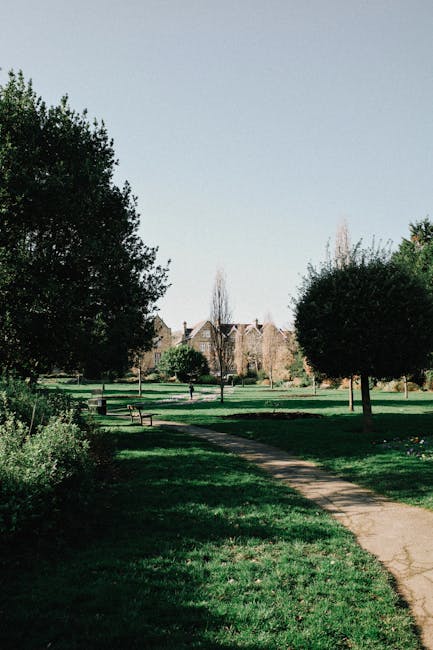
Clapton Common sits in a part of Upper Clapton where gardens are often exposed to a mix of urban conditions: tree shade, foot traffic, compacted soil, patchy sun, wind tunnels between properties, and the sort of "I'll get to it next weekend" neglect that creeps in quietly. That combination means garden care here is rarely cosmetic only. It's practical. You're not just cutting grass; you're trying to keep a living space healthy enough to cope with real-world pressure.
For a home near the Common, the outdoor area can serve several roles at once. It may be a family play space, a place for pets, a small retreat after work, or the first thing visitors see from the street. A garden that looks unmanaged can feel smaller, darker, and more stressful than it should. By contrast, a well-kept space adds order. It also helps reduce bigger problems later, like invasive weeds, dead patches in lawns, unstable trees, or rotten timber around fencing and decking.
There's also a value angle, though it's not the only reason. A garden that is cared for consistently tends to age better. Surfaces last longer, shrubs stay within bounds, and planting beds remain easier to work with. If you've ever seen a hedge turn from "slightly untidy" to "why is this now a wall?" in one season, you'll know exactly what I mean.
Local gardening support matters because it brings timing and judgment. A good gardener knows when to mow, when to hold back, when to prune, and when to leave a plant alone. That last bit is underrated. Not every plant wants a hard reset. Some just need patience, feeding, and a more realistic plan.
How Gardeners for Clapton Common properties in Upper Clapton Works
In practice, garden care for Clapton Common properties usually begins with a walkthrough and a prioritised plan. The aim is simple: identify what needs immediate attention, what needs regular upkeep, and what can wait for a seasonal visit. That approach avoids overworking the garden and, equally important, stops you paying for tasks that don't actually move things forward.
For example, a typical visit might begin with boundary and access checks, then move on to lawn condition, hedge growth, weed pressure, waste removal, and any surface cleaning that's needed. If the garden includes mature trees, the conversation may include safety and structure as well. If there is a patio, deck, or fence, those elements should be assessed too because they affect how the garden feels and how safe it is to use.
Many properties benefit from combining several services rather than treating each area separately. A tidy lawn with an overgrown hedge still feels unfinished. A newly planted border beside a slippery patio can be frustrating. This is why many homeowners choose broader gardening services in Upper Clapton that bring the whole space into balance rather than fixing one visible issue and ignoring the rest.
Some tasks are light-touch and frequent, such as mowing, edging, or general deadheading. Others are occasional but more technical, such as tree pruning, fence repair, or complete reshaping of a border. The best results usually come from matching the job to the right method. Easy to say, harder to do at 8 a.m. on a damp Tuesday, but that's the reality of good garden work.
Key Benefits and Practical Advantages
The biggest benefit of using gardeners for Clapton Common properties is simple: the space becomes manageable again. That sounds obvious, but it changes everything. Once a garden is under control, decisions become easier. You can see the lines of the space, notice what needs improving, and use the outdoor area without feeling slightly guilty every time you look at it.
There are also practical gains that matter more than people sometimes admit:
- Less stress: regular upkeep prevents the garden from building into a huge backlog.
- Better plant health: correct pruning, feeding, and weeding help plants recover and grow more predictably.
- Safer surfaces: mossy patios, uneven decking, and hidden trip hazards are easier to manage when inspected routinely.
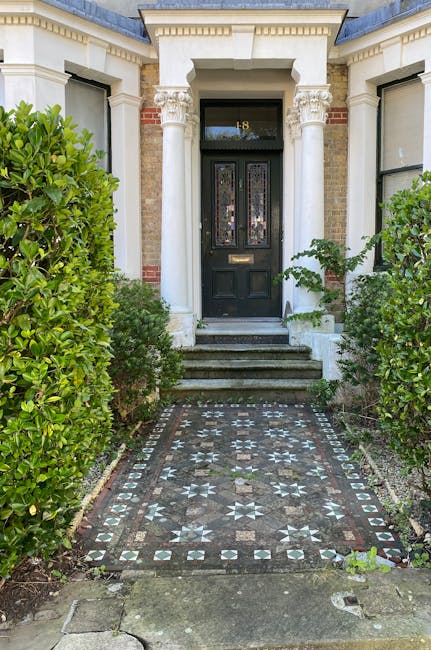
- Improved kerb appeal: the front garden shapes first impressions, especially on busy residential streets.
- More usable space: a tidy layout makes seating, play, and entertaining much more realistic.
There's a quieter benefit too. A garden that feels under control tends to be used more often. People sit outside more. Children play outside more. Even five quiet minutes with a cup of tea in the morning feels different when you're not staring at a tangle of weeds. That tiny shift matters.
If you're thinking long-term, consistent care also supports sustainability. Healthy soil, mulched beds, and properly maintained shrubs usually need less emergency intervention later on. For ideas on making outdoor spaces easier to live with, it can help to explore guidance on designing a garden that is easy to maintain and affordable and reducing your carbon footprint one garden at a time.
Who This Is For and When It Makes Sense
This kind of local garden support is useful for a wide range of property types around Clapton Common. It's not only for large homes with ambitious planting schemes. In fact, some of the most demanding spaces are smaller urban gardens because every square metre has to work hard.
You may be a good fit if you are:
- a homeowner who wants regular upkeep without spending every weekend on it
- a landlord preparing a property between tenancies
- a busy family needing a garden that is safe and functional
- a retiree wanting to keep the outdoor space tidy without heavy labour
- someone with a neglected garden who needs a clean starting point
- a pet owner trying to balance greenery with durability and safety
It also makes sense if your garden has a few recurring trouble spots. Maybe the hedge is always too fast-growing. Maybe the lawn struggles in shade. Maybe the patio collects grime and algae after wet weather. Those are not failures, by the way; they are normal urban garden issues. They just need a steadier plan.
For new or less experienced gardeners, starting with simple habits can make a huge difference. A few practical ideas are covered in beginner gardening tips and the right equipment for transforming your garden.
Step-by-Step Guidance
If you want to approach garden care sensibly, work through it in order. Not everything needs doing at once. Truth be told, trying to do everything at once is how people end up with half-finished piles, sore backs, and a patio that looks worse before it looks better.
- Assess the space honestly. Walk the garden and note what is urgent: overgrowth, weeds, broken boards, poor drainage, damaged fencing, tired lawn, or dead planting.
- Sort tasks by priority. Safety comes first, then access, then appearance. If a branch is risky, that matters more than a border looking untidy.
- Choose the right service mix. A garden might need mowing, hedge trimming, and seasonal maintenance rather than a complete redesign. Keep it targeted.
- Set a realistic schedule. Some areas need weekly attention in growing season, while others only need monthly or seasonal visits.
- Deal with surfaces and structures. Don't ignore patios, decking, and fencing, because they strongly affect usability.
- Improve the soil and planting framework. Healthy beds, sensible mulch, and practical planting choices reduce future labour.
- Review after a few weeks. A good plan should make the garden easier to maintain, not just prettier for one afternoon.
If your lawn is a main feature, it helps to pair mowing with proper care rather than treating it as a standalone job. That is where local lawn mowing support and lawn care in Upper Clapton become especially useful. Mowing keeps things neat; lawn care helps with density, resilience, and recovery.
For hedges, the same idea applies. A hedge trim is not just about reducing height. It helps shape the boundary, improve light, and stop the whole garden from feeling boxed in. If privacy or structure matters, look at the value of hedge trimming in Upper Clapton alongside any planting goals.
Expert Tips for Better Results
The best gardening outcomes usually come from a few unglamorous habits done well. Not flashy. Just consistent.
- Prune with a reason. Cut to improve shape, light, or safety. Don't prune just because the tool is in your hand.
- Keep edges clear. A simple, crisp edge around lawns and beds makes the whole space look better instantly.
- Work with the site conditions. Shady corners need different planting choices than sunny spots. Wind exposure matters too.
- Refresh surfaces before they become slippery. A patio or deck that is cleaned early is much easier to restore than one left for years.
- Use ground cover where appropriate. It can suppress weeds and soften awkward spaces without constant fuss.
- Leave breathing room around plants. Overcrowding leads to competition, disease pressure, and that slightly messy look nobody wants.
For example, a narrow side return in Upper Clapton might benefit from vertical structure, shade-tolerant planting, and a cleaner circulation path rather than a lot of extra lawn. Similarly, a family garden might need durable planting, simple access, and hard-wearing materials instead of a high-maintenance display bed. That's just honest design.
It can also help to think seasonally. In winter, protect sensitive plants and avoid unnecessary soil disturbance. In spring, focus on recovery and shape. In summer, control growth and keep watering sensible. Autumn is where you prepare, tidy, and make life easier for next year. If you want ideas for specific situations, there are useful reads on protecting your garden from weather and shielding plants from icy conditions.
A small aside: the best-looking gardens are often not the most complicated ones. They are the ones someone has actually kept on top of. Bit boring, perhaps, but very effective.
Common Mistakes to Avoid
Even good gardens can go sideways when the basics are missed. Here are the common traps we see around residential properties like those near Clapton Common.
- Letting growth run too long: Once hedges and weeds get away from you, the work becomes heavier and more expensive to put right.
- Cutting too much at once: Over-pruning stresses plants and can leave unattractive gaps.
- Ignoring drainage or damp patches: If an area stays wet, the issue will return after every clean-up.
- Focusing only on the visible parts: A lovely front garden and a neglected side return is a common mismatch.
- Choosing plants without considering shade or wind: The plant may be fine in theory and miserable in practice.
- Using hard landscaping as a fix for everything: More paving is not always the answer. Sometimes the garden needs better structure, not less planting.
Another subtle mistake is not asking what the garden is for. Is it meant for entertaining, low-maintenance living, wildlife, children, pets, or privacy? Without that answer, the work can drift. And drifting gardens, if we're honest, are the ones that become expensive later.
For overgrown outdoor spaces, a restart can be the right move. The article on bringing order back to neglected gardens is a helpful reminder that you do not need perfection on day one. You just need direction.
Tools, Resources and Recommendations
The right tools make maintenance simpler, safer, and less tiring. You do not need a shed full of gadgets, despite what the internet might suggest at 11 p.m. on a rainy Sunday. A few reliable items are enough for many jobs.
| Task | Useful tools | Why they help |
|---|---|---|
| Lawn care | Mower, edging tool, rake | Keeps grass tidy and reduces that uneven fringe look |
| Hedge maintenance | Hedge trimmer, loppers, gloves | Helps shape growth safely and cleanly |
| Weed control | Hand fork, hoe, mulch | Supports targeted removal and longer-term suppression |
| Patio and deck upkeep | Brush, pressure wash used carefully, cleaner suited to surface | Improves grip, appearance, and surface lifespan |
| Tree and shrub work | Pruning tools, step ladder used safely, eye protection | Supports precise cuts and safer working conditions |
For many properties, the real recommendation is not more tools but better sequencing. Get the weeds out first, then cut, then shape, then clean. That order saves effort. If you are exploring more robust help for bigger jobs, garden maintenance in Upper Clapton can provide a useful umbrella for recurring work.
Some outdoor spaces also benefit from design-led adjustments. A shaded garden may need ground cover and vertical planting, while a compact courtyard may need seating that is integrated rather than squeezed in. For inspiration, see ground cover planting ideas, vertical gardening for smaller spaces, and better seating arrangements for gardens.
Law, Compliance, Standards, or Best Practice
Garden work is not heavily regulated in the everyday sense, but good practice still matters. Safety and neighbourly care go a long way. In urban areas like Upper Clapton, the main concerns are usually noise, boundary respect, waste handling, and safe working methods.
A few sensible standards to keep in mind:
- Work safely at height: Tree and hedge tasks should not be improvised if access is unstable or awkward.
- Protect property boundaries: Confirm what belongs where before cutting, lifting, or removing anything.
- Handle waste responsibly: Green waste, broken timber, and cuttings should be removed or disposed of properly.
- Be careful with power tools and pressure washing: These can damage surfaces if used too aggressively.
- Respect nesting wildlife and living plants: Some pruning should be delayed when birds or active growth make intervention unwise.
For larger trees or anything that looks unstable, it is sensible to use experienced help rather than taking a risk. The same applies to structural issues with fences or decking. If something seems unsafe, treat it as unsafe. No heroics required. For those tasks, tree surgery support, fencing services, and decking work are the kinds of services that help keep the property in good order.
There is also a simple best-practice rule that is easy to forget: do not over-clean surfaces or over-cut living material just because the job feels satisfying in the moment. That "there, sorted" feeling can create avoidable damage later.
Options, Methods, or Comparison Table
Different gardens need different levels of attention. A flat comparison is useful here because it helps you decide whether you need a light refresh, routine care, or a more substantial intervention.
| Approach | Best for | Strengths | Limitations |
|---|---|---|---|
| Light touch maintenance | Generally tidy gardens with small recurring jobs | Low disruption, keeps things presentable | Won't fix deeper layout or planting issues |
| Routine maintenance package | Busy households, rental properties, and growing gardens | Predictable, preventative, time-saving | Needs consistency to work well |
| Targeted seasonal work | Problem areas like hedges, lawns, or overgrown beds | Focused, efficient, good for renewals | Can feel reactive if used alone |
| Full redesign or landscaping | Outdated, awkward, or poorly functioning gardens | Transforms how the space is used | More planning and investment required |
In many Clapton Common cases, the best answer is a blend: routine care for the ongoing tasks, with targeted work for problem areas. If the garden has stopped functioning well, a more considered landscaping approach in Upper Clapton may be the right next step. If the space is mostly fine but just needs improvement, you may only need to tighten up mowing, hedge trimming, and patio cleaning.
Case Study or Real-World Example
Here's a realistic example, based on the kind of brief often seen around Clapton Common. A family moves into a mid-terrace property with a modest rear garden. The lawn is patchy, a hedge has swallowed part of the light, the patio is slippery after rain, and the back fence is leaning slightly. Nothing dramatic on its own, but together it makes the whole space feel neglected.
The first visit focuses on clearing the obvious issues: cutting back the hedge, reducing the lawn to a manageable height, removing weeds, and cleaning the patio so the surface is safer to walk on. The fence is assessed and made secure. After that, the garden starts to make sense again. You can see the shape of it. The family can use the patio. The lawn begins to recover. The whole place feels calmer.
Then comes the more thoughtful part. Shade-tolerant planting is introduced where the hedge had blocked too much light. The lawn area is given a sensible care routine. The hedge is scheduled for regular trims rather than occasional drastic cuts. It's not glamorous, but it works. By late summer, the garden is no longer a burden. It's part of the home again.
That's the key point: good garden work is not always about transformation in the dramatic sense. Often, it is about removing friction. Less mess. Less uncertainty. More space to enjoy the weather when it turns nice, which in London feels like a small miracle anyway.
Practical Checklist
Use this checklist before booking work or planning your own maintenance round. It keeps the job focused and helps you avoid the "we did loads but not the right loads" problem.
- Walk the garden and note urgent safety issues first
- Identify what is cosmetic and what affects function
- Check lawn condition, hedge growth, and weed pressure
- Inspect patios, decking, and paths for slipperiness or damage
- Look at fences, gates, and boundary lines for wear
- Consider shade, wind, and drainage before changing planting
- Decide whether you need maintenance, repair, or redesign
- Set a realistic schedule for repeat visits
- Plan waste removal or disposal
- Review results after the first round and adjust the plan
If pets or children use the garden regularly, add one more item: check for anything that could cause a snag, scrape, or trip. It sounds simple, but this is where small problems often hide.
For gardens that need specialist planting or structure ideas, the following can also help shape the plan: evergreen climbing plants for shaded corners, herb garden planning, and zen garden ideas.
Conclusion
Gardeners for Clapton Common properties in Upper Clapton play a very practical role: they help turn outdoor space from a source of low-level stress into something useful, tidy, and easier to live with. Whether the job is regular mowing, hedge trimming, patio cleaning, tree work, or a broader maintenance plan, the best results come from steady attention and realistic priorities.
For local homeowners, landlords, and families, that means fewer surprises and a garden that actually supports day-to-day life. Not perfect. Just healthy, workable, and pleasant to be in. And honestly, that's often the real win.
Get a free quote today and see how much you can save.
When a garden feels manageable again, the whole home tends to breathe a little easier.
Frequently Asked Questions
What do gardeners for Clapton Common properties in Upper Clapton usually do?
They typically handle routine maintenance, lawn care, hedge trimming, weed control, patio cleaning, planting support, fencing help, and other outdoor tasks that keep a property tidy and usable.
How often should a garden near Clapton Common be maintained?
That depends on the size of the space and how fast it grows, but many gardens benefit from regular seasonal visits, with mowing and tidying needed more often during the growing months.
Is garden maintenance better than booking one-off jobs?
For many properties, yes. Regular maintenance usually prevents bigger problems from building up, which can save time and make the garden easier to manage over the long term.
Can a neglected garden be brought back under control?
Usually, yes. It often starts with clearing overgrowth, sorting safety issues, and then putting a realistic maintenance plan in place. It may take more than one visit, though.
What if my garden is shaded and the lawn struggles?
That is common in urban gardens. A gardener may suggest different planting, better soil care, more suitable ground cover, or changes to the layout so the garden works better in those conditions.
Do gardeners also clean patios and decking?
They often can, especially when the goal is to improve the overall look and safety of the garden. Cleaning outdoor surfaces can make a big difference to how the whole space feels.
When should hedges be trimmed?
Timing depends on the plant type and the desired shape, but the main aim is to trim before growth becomes unruly. A careful, regular approach is usually better than one severe cut.
What should I ask before booking garden work?
Ask what is included, what priorities are recommended, whether waste removal is covered, and how often follow-up care may be needed. Clear expectations make the process much smoother.
Is landscaping necessary if my garden only looks a bit tired?
Not always. If the space is functional but untidy, maintenance may be enough. Landscaping is more appropriate when the layout, planting, or hard surfaces are no longer serving the way you want to use the garden.
How do I know if tree work is needed?
If a tree looks unstable, overgrown, or is affecting light, access, or safety, it is worth getting it assessed. Anything involving height or structural concerns should be handled carefully.
Can garden work help with privacy?
Yes. Hedges, planting structure, and boundary improvements can all help create a more private outdoor space, especially in closely spaced London properties.
What is the best first step if I feel overwhelmed by my garden?
Start by identifying the most urgent issues and then choose the smallest sensible plan that restores control. A clear, staged approach is often far more effective than trying to do everything at once.