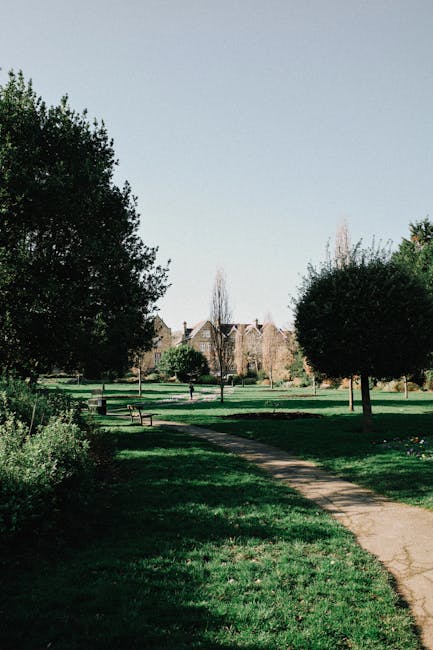
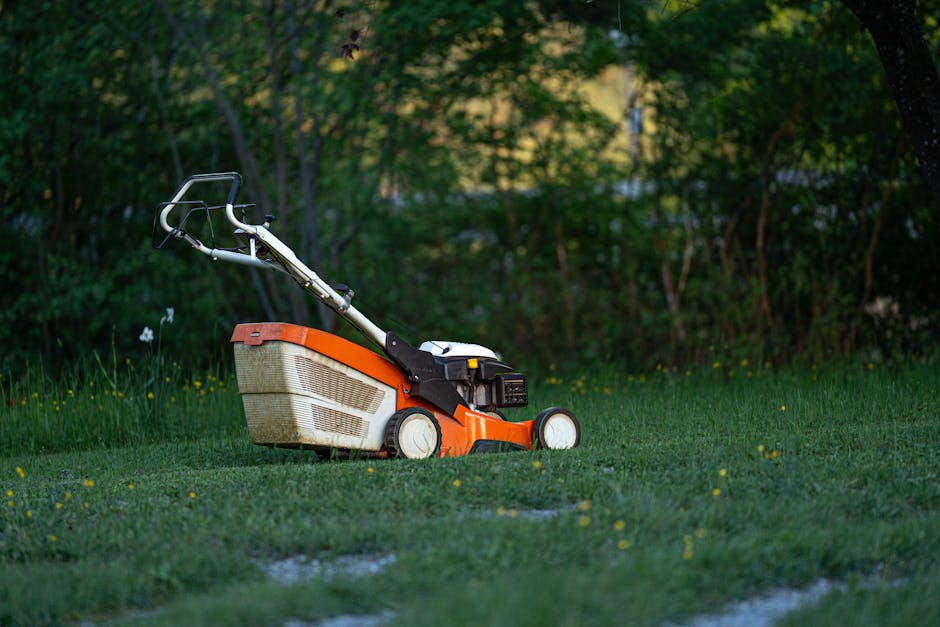
Millfields Park Garden Maintenance Services for E5 Homes
If you live near Millfields Park, you already know the appeal: mature trees, decent green space, and gardens that can look lovely one week and a bit unruly the next. That is where Millfields Park garden maintenance services for E5 homes make a real difference. Whether your garden is a small paved courtyard, a family lawn, or a narrow side return that never quite gets the attention it deserves, regular upkeep keeps it tidy, healthy, and genuinely usable.
In this guide, we will walk through what garden maintenance typically includes, how it works in practice, who it suits, and the common mistakes that can quietly undo your effort. We will also cover local considerations for E5 homes, from weather wear to plant choice, plus a simple checklist you can use before booking any work. Truth be told, most gardens do not need a dramatic overhaul. They need consistent, sensible care.
Table of Contents
- Why Millfields Park garden maintenance services for E5 homes Matters
- How Millfields Park garden maintenance services for E5 homes Works
- Key Benefits and Practical Advantages
- Who This Is For and When It Makes Sense
- Step-by-Step Guidance
- Expert Tips for Better Results
- Common Mistakes to Avoid
- Tools, Resources and Recommendations
- Law, Compliance, Standards, or Best Practice
- Options, Methods, or Comparison Table
- Case Study or Real-World Example
- Practical Checklist
- Conclusion
- Frequently Asked Questions
Why Millfields Park garden maintenance services for E5 homes Matters
Gardens around Millfields Park and the wider E5 area face a familiar mix of pressures. There is shade from neighbouring trees, pockets of heavy rain, bursts of summer growth, and the odd windy spell that knocks everything sideways. A garden can look fine in April and then, by June, weeds have settled in, hedges have stretched, and the lawn has started to thin where the foot traffic is highest.
Regular maintenance matters because gardens are living systems, not static spaces. If one part is left unchecked, the whole area begins to drift. A hedge that is trimmed late becomes harder to shape neatly. A lawn that is cut too infrequently struggles to recover. Borders filled with compacted soil tend to invite more weeds. Small issues stack up. They always do.
For E5 homes, maintenance also affects day-to-day living. A well-kept garden gives you somewhere to sit with a cup of tea on a bright morning, somewhere safe for children to play, and somewhere that feels pleasant when you open the back door and catch that fresh, earthy smell after rain. Nobody wants to step outside and feel slightly defeated before the day has even begun.
There is also a property value angle, though that should not be the only reason. A clean, cared-for garden creates a better first impression, especially when outdoor space is limited and every metre counts. If you are also planning upgrades, such as new planting, a more practical layout, or better hard landscaping, it helps to start with a proper maintenance routine first. For broader help, many homeowners look at routine garden maintenance in Upper Clapton alongside more specific tasks like lawn mowing services and hedge trimming.
Expert summary: the best-maintained gardens are rarely the ones with the most expensive features. They are the ones with a steady rhythm of care, seasonal attention, and a clear plan for what gets done when.
How Millfields Park garden maintenance services for E5 homes Works
Good garden maintenance is usually built around a simple principle: assess, tidy, maintain, and improve. In practice, that means starting with what is there, not forcing a one-size-fits-all schedule on every garden. A compact terraced back garden has different needs from a larger family plot or a patio-heavy outdoor space.
Most maintenance visits begin with a quick look at the state of the garden. That might include lawn condition, hedge shape, weed pressure, tree growth, paving grime, drainage, and whether any shrubs are becoming too leggy or too crowded. From there, the work is prioritised. Not everything needs doing every time, which is a relief, because gardens can be a bit demanding if you let them.
Typical maintenance work may include:
- Lawn cutting and edging
- Hedge trimming and light reshaping
- Weed removal from beds, borders, and paths
- Pruning shrubs and seasonal deadheading
- Leaf clearance and general tidy-up
- Patio and path sweeping or washing
- Basic soil conditioning or mulch refresh
- Checking for plant stress, disease, or crowding
Some homes also need specialist support around boundaries, larger trees, or outdoor structures. For example, if an overgrown tree is shading out your whole border, you may need tree surgery services. If the garden edges or side access feel worn and worn-out, fencing work may be part of the overall maintenance plan. And if your terrace or seating area has gone green and slippery, patio cleaning can make a surprisingly big visual difference.
The main thing to understand is this: proper maintenance is not just about cutting things back. It is about keeping growth in balance. That is the job.
Key Benefits and Practical Advantages
There are obvious benefits to maintaining a garden, and then there are the quieter ones. The obvious ones are neatness and kerb appeal. The quieter ones are easier to overlook, but they matter just as much.
1. Less catch-up work later. If you stay on top of small jobs, you avoid the heavy, half-day clear-outs that happen when a garden has been left too long. That alone is worth it for many busy E5 households.
2. Healthier plants. Plants that are pruned, fed, weeded, and watered properly generally cope better with London's stop-start weather. They are less likely to become overcrowded or stunted.
3. Safer outdoor spaces. Overgrown paths, slippery paving, unstable branches, and cluttered borders can all create avoidable risks. A tidy garden is simply easier to use.
4. Better seasonal performance. Spring growth, summer colour, and winter structure all benefit from timely care. If you wait until the garden looks bad, you are already behind.
5. More enjoyment, less guilt. That sounds soft, but it is real. People use gardens more when they feel manageable. Nobody wants to stare at weeds and think, "I'll deal with that next weekend," for six months in a row.
There is also a practical design benefit. Maintenance lets you keep a garden aligned with the way you actually live. If you need a low-input space, you can simplify planting and reduce high-maintenance sections. If you want a more private, sheltered feel, hedging and climbers can be managed with a proper trimming routine. For ideas on that side of things, it can help to look at hedge ideas for privacy and easy-maintenance garden design.
| Garden issue | What maintenance does | Why it helps |
|---|---|---|
| Overgrown lawn | Regular mowing, edging, and feeding | Keeps grass denser and more usable |
| Weedy borders | Hand weeding and mulching | Reduces competition for water and nutrients |
| Messy hedges | Shaping and controlled trimming | Improves light, structure, and privacy |
| Dirty paving | Cleaning and sweeping | Improves safety and appearance |
| Weak planting beds | Soil care and selective pruning | Supports stronger seasonal growth |
Who This Is For and When It Makes Sense
These services suit a wider range of homes than people often assume. You do not need a large garden or a complicated planting scheme to benefit. In fact, small gardens can be more demanding because every corner is visible. One patch of weeds and the whole place feels untidy.
Millfields Park garden maintenance services for E5 homes are especially useful if you are:
- Working long hours and struggling to keep up with routine jobs
- Managing a garden that looks good but needs regular shaping
- Preparing a property for sale or letting
- Trying to revive a neglected outdoor space without starting from scratch
- Looking after a family garden where safety and usability matter
- Wanting a seasonal tidy-up before spring, summer, or winter
It also makes sense if you have features that need ongoing attention, such as hedges, borders, decking, or a patchy lawn. A maintenance visit can sit neatly alongside lawn care support, especially if your grass needs feeding, scarifying, or a better recovery plan after a rough season.
One thing people sometimes miss is timing. If your garden is already very overgrown, maintenance can still help, but the first visit may be more restorative than routine. That is perfectly normal. After that, a regular schedule becomes much easier and much cheaper to keep under control. Not glamorous, maybe, but very practical.
Step-by-Step Guidance
If you are planning garden maintenance for an E5 home, a structured approach gives better results than random jobs done whenever you notice them. Here is a clear way to think about it.
- Walk the garden properly. Look at the whole space in daylight. Notice what is overgrown, what is thinning, where weeds are gathering, and which areas you actually use.
- Sort tasks by urgency. Safety issues, blocked access, dead plants, and overhanging branches come first. Cosmetic issues can wait a little.
- Handle the structural work. Trim hedges, shape shrubs, clear larger debris, and deal with any hardscape issues like dirty paving or loose edges.
- Clean up the planting areas. Weed, deadhead, remove spent growth, and mulch where needed. This is where a garden starts to breathe again.
- Maintain the lawn. Set a realistic cutting pattern, edge regularly, and avoid scalping grass too short. If the lawn is in poor shape, build it back gradually.
- Review water and light conditions. Shady corners, exposed spots, and areas that dry out quickly need different treatment. A good gardener reads the site, not just the calendar.
- Set a repeat schedule. Fortnightly, monthly, or seasonal work can all work well depending on the garden's pace of growth.
If you are unsure where to start, begin with the jobs that make the garden feel immediately manageable. A path cleared of weeds and a hedge cut back to shape can change the mood of a space in an afternoon. You know that feeling when a room is tidied and your shoulders drop a little? It is like that, but outside.
Expert Tips for Better Results
Seasoned garden care is less about effort and more about timing. That is the part many people underestimate.
Trim for health, not just appearance. A hedge or shrub should be cut in a way that encourages balanced regrowth. Harsh, over-enthusiastic trimming can leave bare patches or stress the plant.
Do little and often. This is especially true with weeds. If you wait until they are knee-high, the job becomes harder, and some root systems get a lot more stubborn.
Match the plan to the season. Spring is good for reset and growth, summer for control and watering, autumn for clearing leaves and preparing beds, winter for structure and protection. A garden calendar is underrated, honestly.
Watch for shade creep. Around Millfields Park, trees and nearby boundaries can gradually reduce light levels. If that starts happening, adjust planting or prune with care rather than letting the garden sulk in the dark.
Protect the soil. Bare soil is often an open invitation to weeds and compaction. Mulch, compost, and ground cover planting can help. For more on the planting side, see ideas like ground cover planting ideas.
Keep seating areas part of the plan. A garden is not only for looking at. If a patio or deck gets neglected, it stops being used. Maintenance should include the places where you sit, eat, and let the day slow down a bit.
Use the right support for the right job. Sometimes general garden maintenance is enough. Sometimes you need specialist help with structural changes or larger features, such as decking services, landscaping support, or even a stronger planting structure based on ideas from zen-inspired garden planning.
Common Mistakes to Avoid
Many gardens do not fail because of one big problem. They decline through small habits. A missed cut here, a forgotten border there, and after a while the whole space feels a bit tired.
- Cutting too much at once. Taking off too much foliage can shock plants and leave them looking sparse.
- Ignoring the edges. A neat lawn with messy borders still looks unfinished.
- Letting weeds seed. That one is classic. Once seeded, the problem multiplies.
- Using the wrong tools. Blunt blades, poor pruning tools, and unsuitable hedge cutters make jobs harder and messier.
- Forgetting drainage. Standing water and compacted soil create ongoing issues that maintenance alone cannot fully solve.
- Assuming all plants want the same thing. They really do not. Sun-loving shrubs and shade-tolerant perennials need different care.
There is also a mindset mistake: waiting for the garden to become a "big project" before acting. Most E5 gardens improve fastest when someone handles the basics early. Small intervention, steady upkeep, done. Not exciting, but it works.
Tools, Resources and Recommendations
You do not need a van full of equipment to keep a garden under control, but you do need the right essentials. A simple, well-kept set of tools often outperforms a pile of gadgets that never quite get used.
Useful basics include:
- Sharp secateurs for small pruning jobs
- Hedge trimmers for clean, even shaping
- A mower suited to the size and access of the lawn
- Spade, fork, and hand weeder for borders
- Rake and stiff brush for clearing leaves and debris
- Gloves and sturdy footwear, because thorns do not care about your plans
For homeowners who prefer support rather than buying and maintaining lots of tools, professional help can be the simpler route. That is especially true if you need recurring visits rather than one-off rescue work. A good starting point is often a general maintenance visit followed by targeted services where needed.
If you are building a garden from a blank-ish slate, or reworking one with awkward corners, the following pages can also help you think more clearly about the space: gardening services in Upper Clapton, beginner-friendly garden tips, and equipment ideas for garden transformation.
Law, Compliance, Standards, or Best Practice
For most domestic garden maintenance, the important thing is not legal complexity but sensible best practice. That said, a few UK expectations are worth bearing in mind.
Tree work should be approached carefully. If a tree is large, unstable, or close to a boundary, building, or public footpath, it is better handled by people who understand safe pruning and tree care. In general, do not treat bigger tree work as a DIY weekend task. That can go wrong very quickly.
Waste should be handled properly. Green waste, soil, timber, and old cuttings should be removed or disposed of responsibly. A tidy finish is not only about appearance; it is part of good practice.
Neighbour relations matter. If work affects shared boundaries, overhanging branches, or access between homes, a bit of communication saves hassle. Nobody enjoys a garden dispute. The hedges are enough drama on their own.
Use appropriate safety measures. Gloves, eye protection, careful ladder use, and proper cutting technique matter. If a task feels awkward, high, or physically demanding, it is sensible to stop and reassess.
Local best practice is seasonal and considerate. Avoid heavy disturbance during nesting periods where possible, and be mindful that some plants respond better to certain pruning windows. When in doubt, conservative maintenance is usually safer than aggressive cutting.
None of that needs to feel intimidating. It is mostly common sense, applied consistently.
Options, Methods, or Comparison Table
Homeowners often choose between doing everything themselves, booking occasional help, or arranging regular maintenance. Each option has a place.
| Approach | Best for | Pros | Trade-offs |
|---|---|---|---|
| DIY maintenance | Small, simple gardens and confident gardeners | Lower direct cost, full control | Time-consuming, easy to let slide |
| Occasional tidy-ups | Busy homes needing seasonal resets | Helpful for catch-up work | Garden can drift between visits |
| Regular maintenance plan | Most E5 homes wanting steady results | Consistent appearance, fewer major jobs | Requires ongoing scheduling |
In practical terms, a regular plan is often the easiest way to keep a Millfields Park garden looking calm rather than chaotic. Occasional work can still be useful, of course. It just tends to feel a bit like tidying after the mess has already spread across the house.
Case Study or Real-World Example
Take a typical E5 terrace garden near Millfields Park: a modest lawn, a hedge along one boundary, a paved seating area, and a border that was once full of colour but is now mostly weeds, self-seeded growth, and a couple of tired shrubs. Nothing extreme. Just neglected enough to feel discouraging.
The first visit starts with a reset. The hedge is shaped back to a usable line, the lawn is cut and edged, weeds are removed by hand, and the patio is washed down. Dead stems are cleared from the borders, the soil is lightly refreshed, and the space is reassessed in daylight. The garden does not become "finished" in one go. That would be unrealistic. But it becomes usable again.
On later visits, the maintenance becomes lighter and more efficient. The lawn holds shape better, the hedge needs only routine trimming, and the borders are easier to manage because weeds are not allowed to dominate. The owners begin using the garden again after work, which is often the real measure of success. Not perfection. Usefulness.
That is the pattern most people want, even if they do not say it out loud. A garden that feels welcoming instead of nagging at you from the window.
Practical Checklist
Before booking or starting maintenance, run through this checklist. It is simple, but it saves a lot of second-guessing.
- Identify the main problem areas: lawn, hedges, borders, paving, trees, or boundaries
- Decide whether you need a one-off tidy-up or regular maintenance
- Check access to the rear garden and any side passageways
- Note any awkward slopes, slippery surfaces, or fragile features
- List plants that need special care or should not be cut back too hard
- Remove obvious personal items, toys, furniture clutter, or tools from work areas
- Think about your seasonal goals: more privacy, more colour, better lawn health, easier upkeep
- Arrange follow-up work if the garden needs deeper repair or redesign
If your garden also needs planting advice, structure, or a longer-term plan, it may help to bring in wider support such as landscaping in E5 or seasonal ideas from weather protection for gardens. Small steps now can spare a lot of hassle later.
Conclusion
Millfields Park garden maintenance services for E5 homes are really about keeping outdoor space calm, healthy, and useful through the seasons. That means trimming what is getting out of hand, protecting what is worth keeping, and staying ahead of the jobs that quietly build up when life gets busy. A tidy garden is nice. A garden you actually want to spend time in is better.
For most homeowners, the best approach is consistent care with a clear plan. Start with the basics, keep an eye on seasonal growth, and do not wait for the garden to become a rescue mission. It is far easier to maintain momentum than to rebuild it from scratch. And if you are standing at the back door wondering where to begin, beginning small is still beginning.
Get a free quote today and see how much you can save.
There is real satisfaction in a garden that looks cared for without feeling fussy. Quiet, practical, and alive. That is the sweet spot.
Frequently Asked Questions
What do Millfields Park garden maintenance services for E5 homes usually include?
They usually cover routine tasks such as lawn mowing, hedge trimming, weeding, pruning, leaf clearance, and general tidying. Some gardens also need patio cleaning, border care, or light repairs to keep everything functioning properly.
How often should an E5 garden be maintained?
It depends on the size of the garden, plant growth, and how much use the space gets. Many gardens benefit from fortnightly or monthly care during the growing season, then lighter seasonal visits in the colder months.
Is regular maintenance better than a one-off tidy-up?
For most homes, yes. A one-off visit can make a dramatic difference, but regular maintenance keeps that improvement from slipping away. It is usually easier, and often less stressful, to stay on top of the basics.
Can garden maintenance help a neglected garden recover?
Yes, though the first visit may be more of a reset than a fine-tuning job. Once the garden is cleared, shaped, and stabilised, it becomes much easier to keep under control with routine work.
What is the difference between garden maintenance and landscaping?
Maintenance is about ongoing care: mowing, pruning, weeding, and tidying. Landscaping is more about changing the structure or layout of the garden, such as new planting schemes, paths, beds, or features.
Do small gardens in E5 still need professional maintenance?
Absolutely. Small gardens often need even more careful attention because any untidiness stands out quickly. A compact space can go from smart to scruffy very fast if it is not maintained regularly.
Will maintenance improve lawn health as well as appearance?
Yes. Regular mowing, edging, feeding, and targeted care can help the lawn grow more evenly and recover better from stress. If the grass is patchy or tired, a dedicated lawn care plan is often the next sensible step.
How do I know if my hedges need trimming?
If they are blocking light, spilling into paths, losing shape, or looking uneven, they probably need attention. A hedge that is trimmed before it becomes overgrown is always easier to manage.
Is patio cleaning part of maintenance or a separate service?
It can be either. Some gardens need it only occasionally, while others benefit from it as part of regular upkeep. If paving is slippery, stained, or full of moss, cleaning can make the whole garden feel fresher straight away.
What should I prepare before a maintenance visit?
Clear access routes, remove loose items from the garden, and make a note of any sensitive plants or problem areas. It also helps to think about your priorities in advance, such as privacy, usability, or lower upkeep.
Are there any rules I should be aware of before pruning trees or hedges?
Yes. Larger tree work should be handled carefully, and it is wise to avoid overly aggressive pruning without proper knowledge. In general, sensible seasonal best practice and good communication with neighbours go a long way.
How can I keep maintenance costs under control?
The simplest way is to avoid letting the garden get too far behind. Regular, smaller jobs usually cost less in effort and time than emergency catch-up work. A clear seasonal plan also helps you spend money where it matters most.